






Lifetime Corn, Sweet & Grain Farming
Agwatashi, Nasarawa
₦500000 - ₦25000000 (Invest Range)
Description
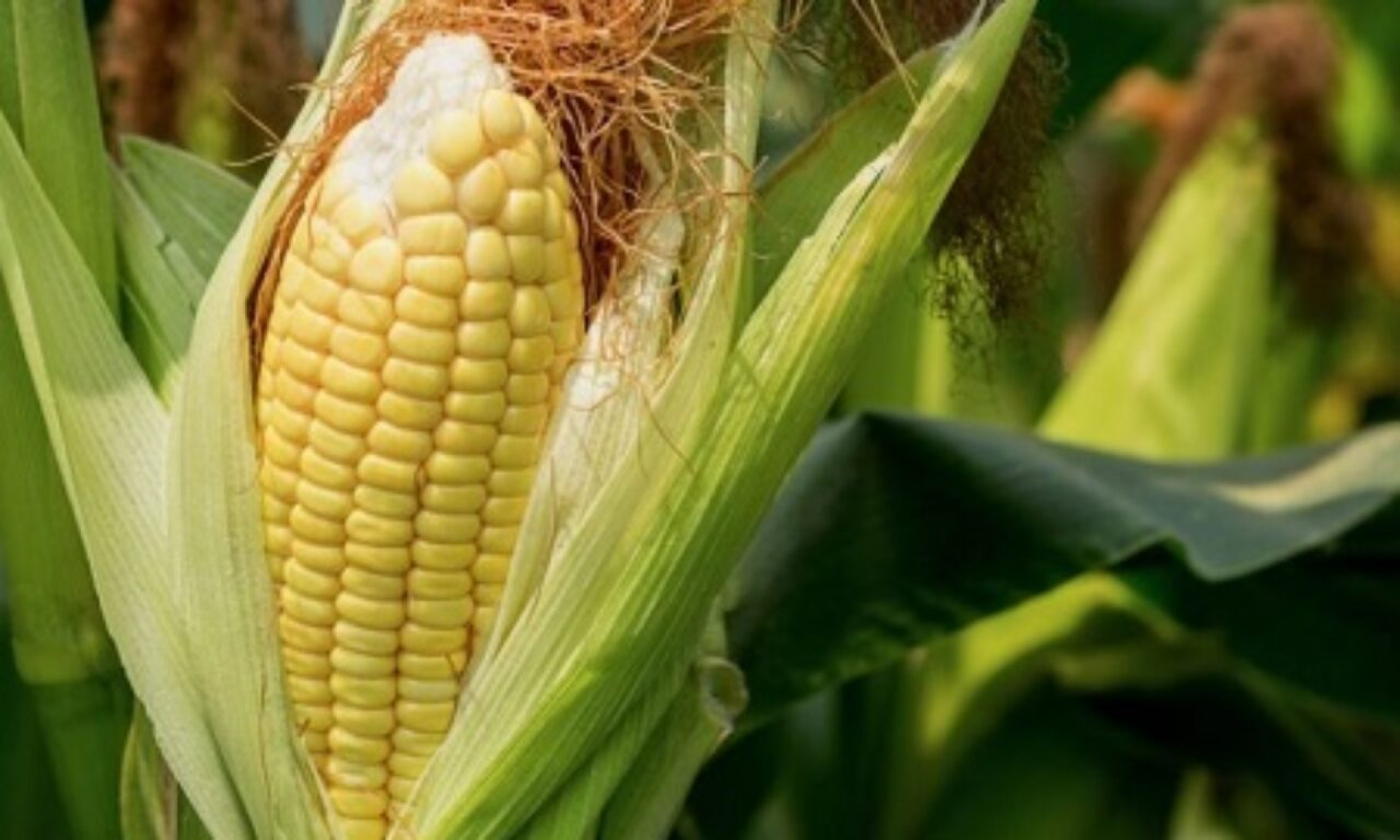
This lifetime investment project focuses on sustainable farming of corn, sweet corn, and grains. These staple crops are essential to global food security and the agricultural industry. By investing in this project, you will support sustainable crop production while receiving lifetime returns.
How You Get Benefit
As a lifetime investor, you will benefit from continuous returns while supporting sustainable corn and grain farming, contributing to long-term agricultural stability and healthy crop production practices.
- Lifetime Returns
- High-Demand Staple Crops
- Sustainable Crop Production
- Long-Term Agricultural Stability
- Support for Food Security
Our Goal & Challenge
The goal is to expand sustainable corn and grain farming while tackling challenges such as climate variations, soil health, and ensuring long-term profitability through eco-friendly practices.
Maize is a staple food for almost half the population of sub-Saharan Africa and is important for its carbohydrate, proteins, iron, vitamin B, and minerals. The produce is consumed as maize meal (ugali), porridge, pastes, and beer, and can be boiled or roasted as fresh as it comes from the farm. Maize is also processed to produce oils for cooking. It is also an important crop for animal feed. Smallholder farmers are the largest producers of maize in sub-Saharan Africa. The maize is produced through subsistence farming as part of mixed agricultural systems which lack inputs such as fertiliser, irrigation, improved seeds and efficient labor. In 2017, Africa produced 7.4% of the 1,135 million tonnes produced worldwide in 40 million hectares, according to data by the Food and Agriculture Organization (FAO).
">This lifetime investment project focuses on sustainable farming of corn, sweet corn, and grains. These staple crops are essential to global food security and the agricultural industry. By investing in this project, you will support sustainable crop production while receiving lifetime returns.
How You Get Benefit
As a lifetime investor, you will benefit from continuous returns while supporting sustainable corn and grain farming, contributing to long-term agricultural stability and healthy crop production practices.
- Lifetime Returns
- High-Demand Staple Crops
- Sustainable Crop Production
- Long-Term Agricultural Stability
- Support for Food Security
Our Goal & Challenge
The goal is to expand sustainable corn and grain farming while tackling challenges such as climate variations, soil health, and ensuring long-term profitability through eco-friendly practices.
Maize is a staple food for almost half the population of sub-Saharan Africa and is important for its carbohydrate, proteins, iron, vitamin B, and minerals. The produce is consumed as maize meal (ugali), porridge, pastes, and beer, and can be boiled or roasted as fresh as it comes from the farm. Maize is also processed to produce oils for cooking. It is also an important crop for animal feed. Smallholder farmers are the largest producers of maize in sub-Saharan Africa. The maize is produced through subsistence farming as part of mixed agricultural systems which lack inputs such as fertiliser, irrigation, improved seeds and efficient labor. In 2017, Africa produced 7.4% of the 1,135 million tonnes produced worldwide in 40 million hectares, according to data by the Food and Agriculture Organization (FAO).
Latest Farms
Royal Empire – The Most Trusted Online Multi Business Platform for Africa
Shop for Everything You Need, deposit, transfer and make payment from anywhere on Royal Empire
Royal Empire is the largest online multi-vendor and multi-sector solution provider in Africa. We offer a platform where customers in any part of Africa can find and shop for all they need in one platform. On the Royal Empire mobile app or website, you can book, shop and transact from the comfort of your home or during work breaks and get everything delivered fast without you having to stress or move an inch. Be it fashion, electronics, mobile phones, computers, or your everyday groceries you can get everything you need on Royal Empire.
Have you used the Royal Empire today? Shop now on Royal Empire to enjoy a seamless online shopping and payment experience. With fast delivery, free returns, and flexible payment options, you are certain to enjoy the convenience of shopping online.
Shop for Original and Quality Items at The Best Prices
Royal Empire prides itself in giving the best prices and the best quality of products you can find anywhere in the continent. Our strong partnership with top brands like Oraimo, Samsung, Infinix, Xiaomi, Diageo, Tecno, Adidas, Nike, Defacto, Trendyol, etc. guarantees our customers the cheapest prices on original brand products. Beyond that, customers also have exclusive access to the latest product released by these top brands. If you enjoy exclusivity, the Royal Empire Official Store is the right place for you. On the Royal Empire official stores, you can experience product launches and be among the first set of people in Africa to own new products. You can also enjoy huge offers on brand days that come with heavy discounts on various products ranging from mobile phones to drinks, clothing items, sneakers, and many more!
Explore our official stores today to see a wide range of popular brands that sell directly on our platform and get assured of the best prices and quality of products you buy on Royal Empire.
Aside these major events, we also have Ramadan sales, Easter sales, Christmas sales and other seasonal celebrations we make sure our customers enjoy on Vhodia.
Shop now and enjoy unlimited offers, discounts and the best online shopping experience!